
KEY HIGHLIGHTS
- Comprehensive coverage and live status updates on Festival of Teej: History, Significance, Traditions and Celebrations in India.
- Key statements from government officials and field correspondents.
- Historical context and market/social impact analysis.
- Read full detailed breakdown below.
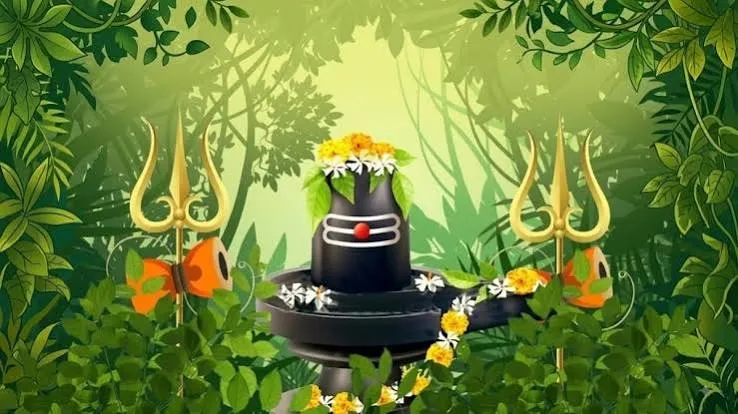
Festival of Teej: Teej is one of the most important festivals celebrated by women in several parts of India and Nepal. Dedicated to Goddess Parvati and Lord Shiva, the festival is associated with marital happiness, love, devotion and prosperity. Women traditionally observe fasts, dress in colourful clothes, apply mehendi and participate in songs and dances during Teej celebrations.
The festival is especially popular in Rajasthan, Uttar Pradesh, Bihar, Jharkhand, Madhya Pradesh, Haryana and Punjab, although customs vary from region to region.
What Is Teej?
Teej is not a single festival but a group of festivals associated with the Hindu month of Shravana (Sawan) and, in some traditions, Bhadrapada. The three major forms are Hariyali Teej, Kajari Teej and Hartalika Teej.
Among these, Hariyali Teej and Hartalika Teej are particularly significant for married and unmarried women.
Teej celebrations are closely connected with the monsoon season, when nature becomes lush and green. This is why Hariyali Teej is often associated with greenery, new beginnings and prosperity.
Mythological Significance of Teej
According to Hindu mythology, Goddess Parvati performed intense penance to win Lord Shiva as her husband. After years of devotion, Lord Shiva accepted her as his wife.
Teej is therefore considered a celebration of the divine union of Shiva and Parvati. Married women pray for the long life, health and prosperity of their husbands, while unmarried women may observe the festival seeking a suitable life partner.
Devotees also worship Goddess Parvati in different forms depending on the regional tradition.
Hariyali Teej
Hariyali Teej is celebrated during the monsoon season and gets its name from the greenery that surrounds the environment during Sawan.
Women traditionally wear green sarees, bangles and jewellery. Mehendi is also an important part of the celebration.
In many regions, women gather together to sing traditional Teej songs and enjoy swings decorated with flowers. Temples dedicated to Shiva and Parvati are decorated, and special prayers are performed.
Hartalika Teej
Hartalika Teej is another important Teej festival. It is associated with the story of Goddess Parvati's determination to marry Lord Shiva.
According to tradition, Parvati observed severe penance and fasting to receive Shiva as her husband. Women observing Hartalika Teej often perform special prayers and rituals dedicated to Shiva and Parvati.
The festival is particularly popular in North and Central India.
Kajari Teej
Kajari Teej is generally celebrated later in the monsoon season. It is particularly popular in parts of Rajasthan, Uttar Pradesh, Madhya Pradesh and Bihar.
Traditional songs, devotional gatherings and cultural activities are an important part of Kajari Teej celebrations.
In some regions, women worship the neem tree or perform rituals connected with family prosperity and well-being.
Teej Vrat and Fasting Traditions
Fasting is one of the best-known traditions associated with Teej. Depending on the festival and regional customs, some women observe a nirjala vrat, meaning they refrain from both food and water for a particular period.
However, fasting practices differ significantly between families and regions. People who are pregnant, unwell, taking medication or have dietary restrictions should not undertake a strict fast without appropriate medical advice.
The spiritual purpose of the vrat is generally associated with devotion, discipline and prayer rather than simply abstaining from food.
Mehendi, Swings and Traditional Dress
Teej celebrations are known for their vibrant cultural traditions. Women often wear colourful or green traditional outfits and decorate their hands with intricate mehendi designs.
Decorated swings are also a popular feature, particularly during Hariyali Teej. Women gather with friends and family, sing folk songs and enjoy the festive atmosphere.
These customs make Teej both a religious and cultural celebration.
Teej Celebrations in Rajasthan
Rajasthan is particularly famous for its grand Teej celebrations. Cities such as Jaipur organise colourful processions and cultural programmes.
The traditional Teej procession in Jaipur features decorated idols, folk performances, music and beautifully decorated elephants and horses. Thousands of people often gather to witness the celebrations.
The festival showcases Rajasthan's rich folk traditions and heritage.
Importance of Teej for Women
Teej provides an opportunity for women to come together, celebrate traditions and strengthen family and social bonds.
For married women, the festival is traditionally associated with prayers for the well-being and longevity of their husbands. For unmarried women, it can represent hopes for a happy married life.
In modern times, Teej has also become an occasion to celebrate friendship, family relationships and women's cultural traditions.
How Teej Is Celebrated Today
While traditional rituals remain important, Teej celebrations have evolved over time. Families exchange gifts, organise gatherings and prepare special festive dishes.
Social media has also made it easier for people to share mehendi designs, traditional outfits, recipes, greetings and photographs from Teej celebrations.
Despite these modern additions, the central themes of devotion, family, love and cultural heritage remain unchanged.
Conclusion
The Festival of Teej is a beautiful combination of devotion, tradition and celebration. Dedicated to the divine union of Lord Shiva and Goddess Parvati, the festival holds deep religious significance while also celebrating the arrival of the monsoon and the richness of Indian culture.
From fasting and prayers to mehendi, swings, folk songs and colourful celebrations, Teej continues to bring families and communities together. Its traditions have been passed down through generations and remain an important part of India's cultural heritage.



Leave a Comment
Please sign in to join the conversation.
Sign In to CommentDon't have an account? Sign Up